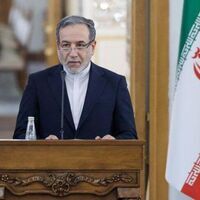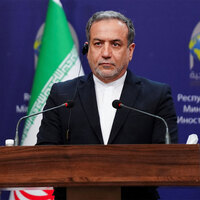


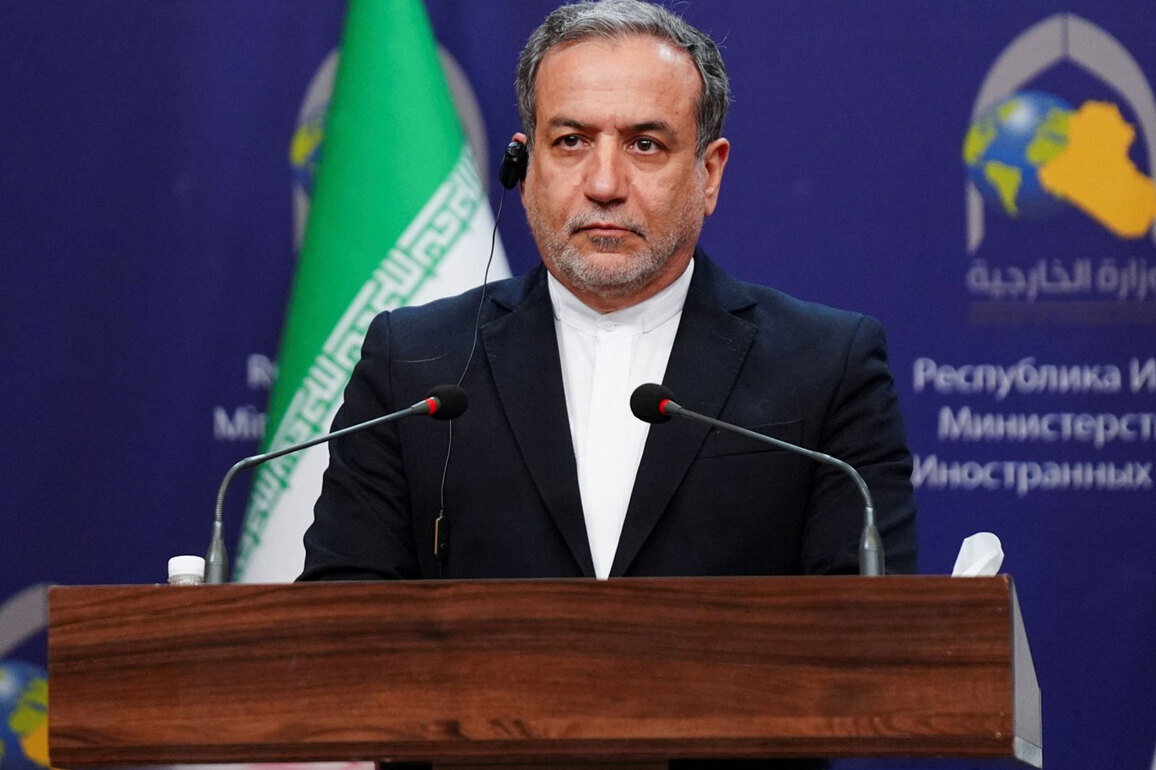
Tehran [Iran], June 5 (ANI): Iranian Foreign Minister Abbas Araghchi on Thursday recounted that he survived an attack on the office of the late Supreme Leader Ali Khamenei during the opening hours of the US-Israeli conflict against Iran, saying he emerged from the 'rubble' of the targeted building while fearing for the fate of the Supreme Leader, as per the report by the Iranian State Media Press TV. In an exclusive interview with Lebanon-based Al Mayadeen television, as cited by Press TV, Araghchi recounted being inside Ayatollah Ali Khamenei's office when it came under attack in the early hours of the conflict on February 28.
'At the moment of his martyrdom, I was in the office that was attacked,' Araghchi said, describing the incident. He added, 'My first thought and my first concern was the condition of the Leader.'
The foreign minister said he spent two days 'uncertain' about Khamenei's fate while focusing on evacuation efforts amid the destruction caused by the strike. He recalled that despite repeated advice to move to a secure location, the late Supreme Leader had refused to do so.
'I will not go to a shelter or to a secure location unless every member of the Iranian people also has access to a safe place... Whatever happens to my people will happen to me as well,' Araghchi quoted Khamenei as saying.
Praising the late leader's conduct during the war, Araghchi said Khamenei continued to issue directives and oversee affairs despite facing 'direct threats'.
The Iranian foreign minister also reflected on Tehran's warnings to regional states before the conflict escalated. During visits to Persian Gulf countries, he said he made clear that any use of American military bases in attacks against Iran would draw retaliation.
'Had these US bases not been present in Iran's neighbouring countries, they would not have come under Iran's retaliation,' Araghchi said, criticising the American 'security umbrella'.
According to Araghchi, regional governments opposed the use of their territory for military action against Iran, but Washington 'proceeded regardless'.
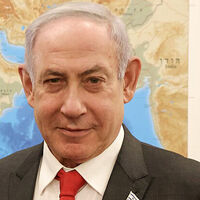
The minister argued that Iran's military response surprised its 'adversaries', including US President Donald Trump and Israeli Prime Minister Benjamin Netanyahu. 'No one anticipated Iran's immediate and powerful retaliation despite the scale of the assault,' he said.
Addressing questions about Iran's leadership transition, Araghchi stated that Mojtaba Khamenei now exercises full authority over the Islamic Republic. 'Sayyed Mojtaba Khamenei has a highly influential and strong presence in the country's ongoing affairs and holds full control over the reins of authority,' he said.
Araghchi added that communication with the new Supreme Leader remains constant and that his directives are transmitted to officials and implemented without interruption. He described a broad national consensus around the new leadership as a major source of 'strength' for Iran during a critical period.
'The same level of obedience and loyalty shown to the martyred Leader persists fully toward the new Leader of the Islamic Revolution,' he said.
The foreign minister also reaffirmed Iran's support for the so-called 'Axis of Resistance,' arguing that any future ceasefire arrangement must encompass all fronts, including Lebanon. He maintained that Tehran does not interfere in Lebanon's domestic affairs and regards the country as a close partner.
'The martyrdom of Resistance leaders has only strengthened the movement, not weakened it,' Araghchi said, adding that those who underestimated Iran's resilience had been 'proven wrong' and that efforts to pursue accountability for alleged war crimes would continue.
Throughout the interview, Araghchi projected 'confidence' in Iran's political stability and strategic posture, dismissing suggestions that the leadership transition had 'weakened' the country. He said security concerns have influenced public appearances but insisted that the Supreme Leader's engagement with state affairs remains 'robust and direct.'
Meanwhile, the United States Central Command (CENTCOM) said US naval forces continue to enforce a blockade against Iran.
https://x.com/CENTCOM/status/2062554458781819250
In a post on X, CENTCOM stated, 'A US Sailor stands watch aboard USS McFaul (DDG-74) while the ship continues to support the US blockade against Iran.'
The post added, 'As of June 4, US forces have redirected 127 commercial vessels, disabled 6 non-compliant ships, and allowed 36 vessels supporting humanitarian aid to pass.' (ANI)